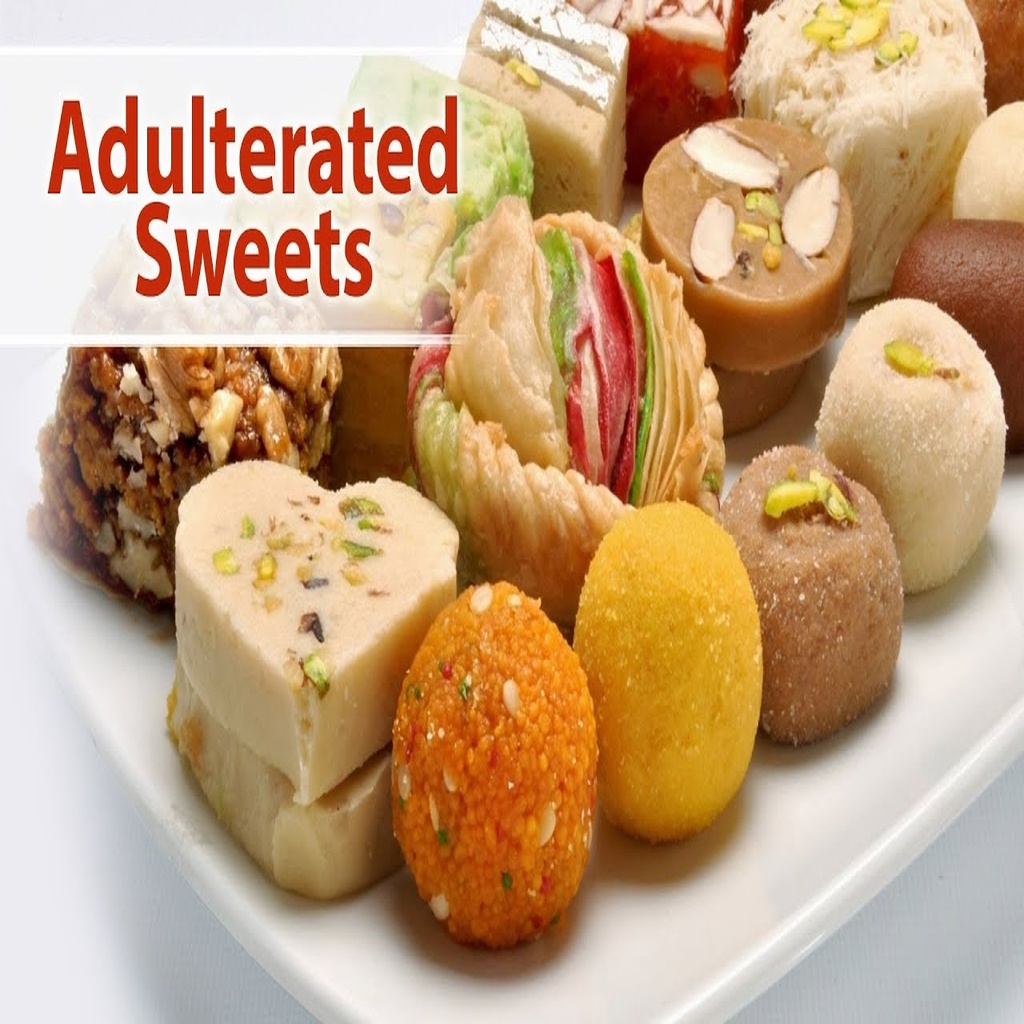
What is Food Adulteration
Adulteration of food commonly defined as "The addition or subtraction of any substance to or from Food, so that the natural composition and quality of food substance is affected"
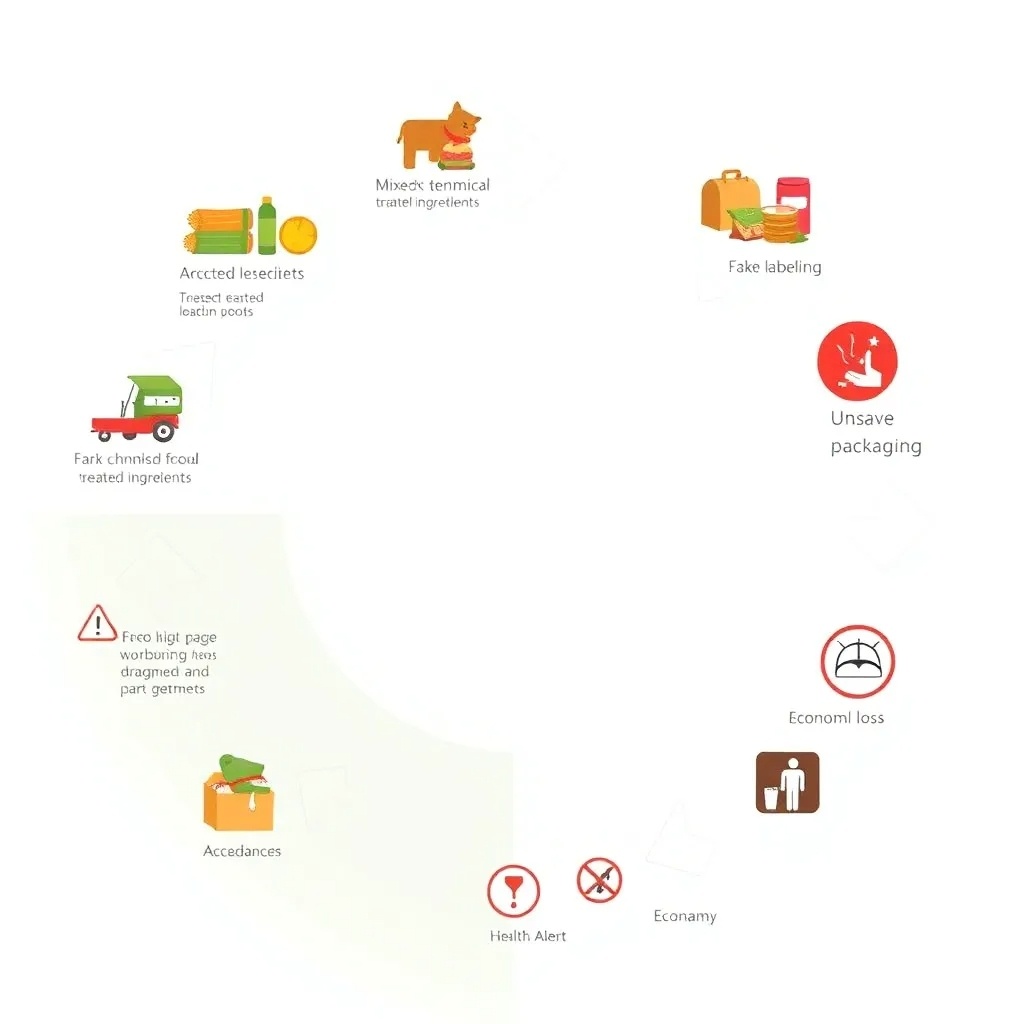
Food Adulteration includes mixing, substitution concealing the quality, putting up decomposed Food for sale, misbranding or giving false labels and addition of toxicants.
Introduction
Food adulteration refers to the process of adding, removing, or mixing substances in food that degrade its quality, safety, or nutritional value. It involves the deliberate contamination or misrepresentation of food items to increase profit at the cost of consumer health. Common forms of adulteration include mixing inferior ingredients, substituting original components, concealing poor quality, using misleading labels, or adding harmful chemicals and toxic substances.
Food adulteration not only affects the taste and appearance of food but also poses serious risks to human health. Through awareness, education, and strict enforcement of food safety standards, we can work together to ensure that the food we consume is pure, safe, and trustworthy.
Examples of Adulteration
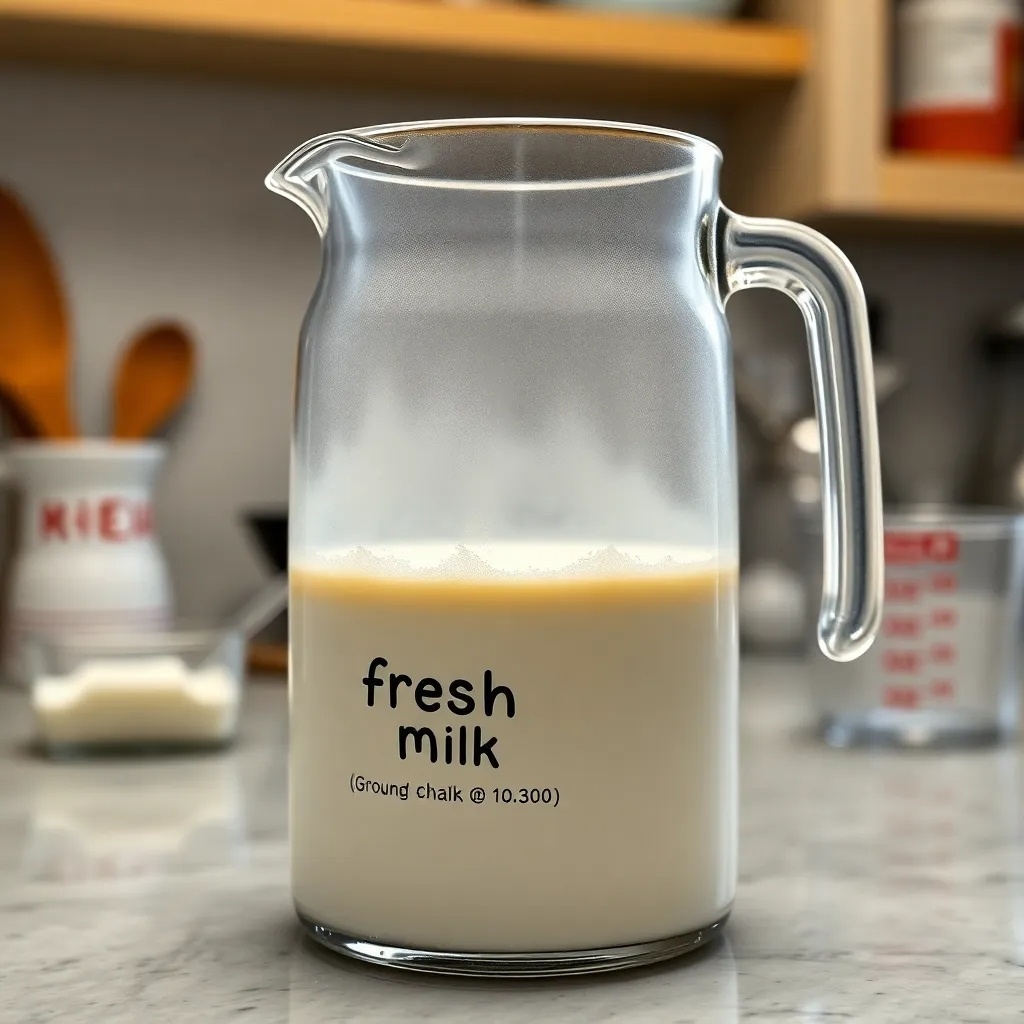
Milk
Milk adulteration involves adding substances like water, chalk, detergent, or urea to increase quantity and mask poor quality. While this may make milk appear fresh and pure, it drastically reduces its nutritional value and can cause serious health issues such as stomach infections, kidney problems, and even poisoning with prolonged consumption.
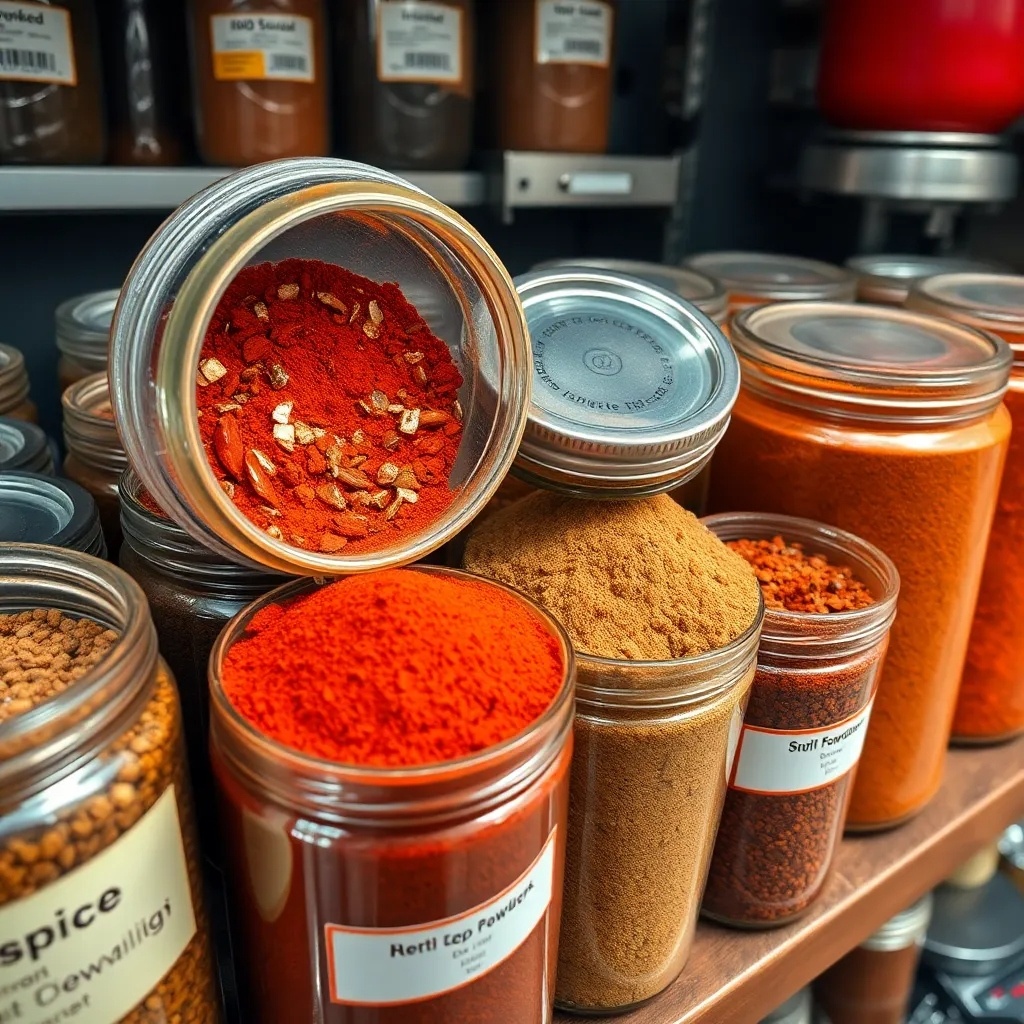
Spice Contamination
Spice adulteration is the practice of mixing spices with inedible materials such as brick powder, sawdust, or artificial colors to enhance color and weight. Contaminated spices not only lose their natural flavor and aroma but may also introduce toxic chemicals that are harmful to the digestive system and liver.
Edible Oil Substitution
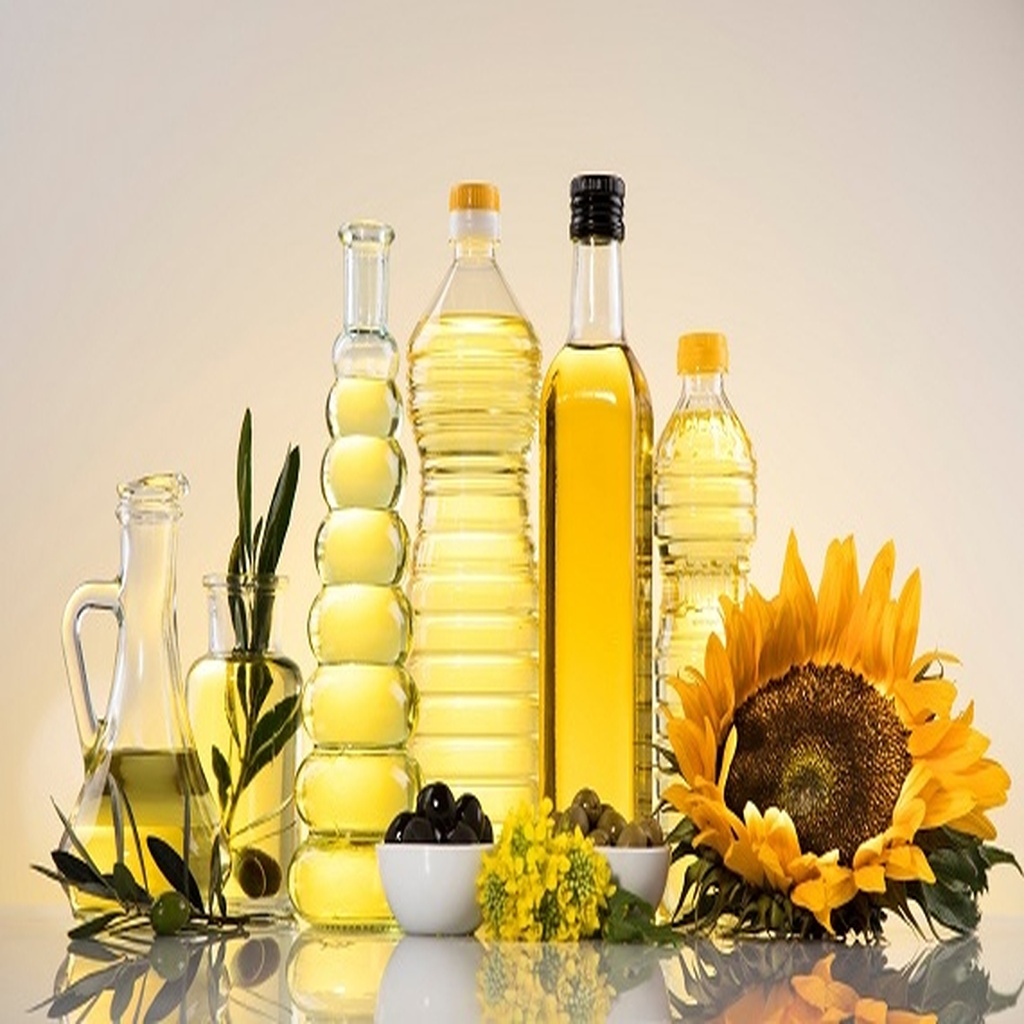
This form of adulteration occurs when expensive cooking oils like mustard, olive, or ghee are replaced or diluted with cheaper, low-quality, or even hazardous oils such as mineral oil. These substitutes may contain harmful compounds that can lead to cardiovascular diseases, digestive disorders, and long-term health damage.
Fruit Adulteration
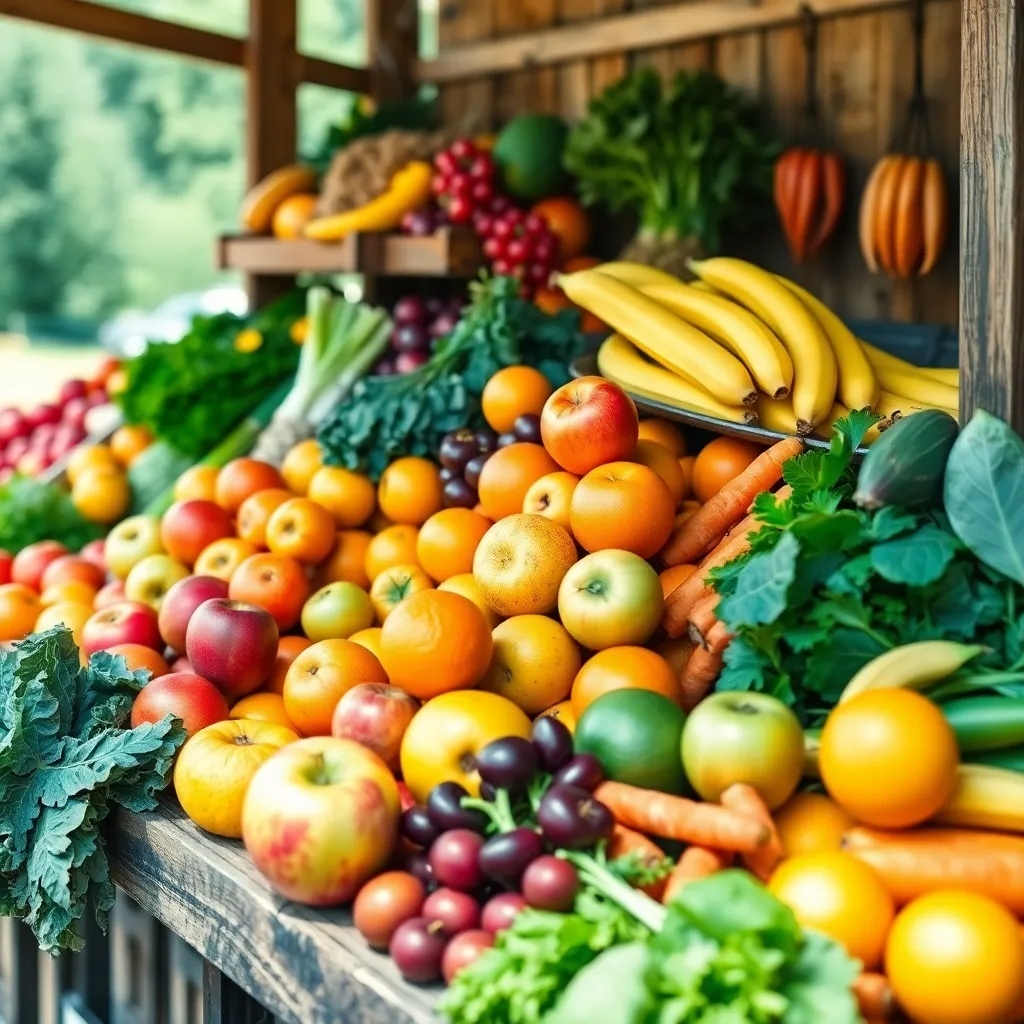
Fruit adulteration involves the artificial ripening or coloring of fruits using harmful chemicals such as calcium carbide, wax, or artificial dyes. These substances make fruits look fresh and appealing but can cause serious health issues, including headaches, nausea, and even cancer with continuous exposure.
Vegetable Adulteration
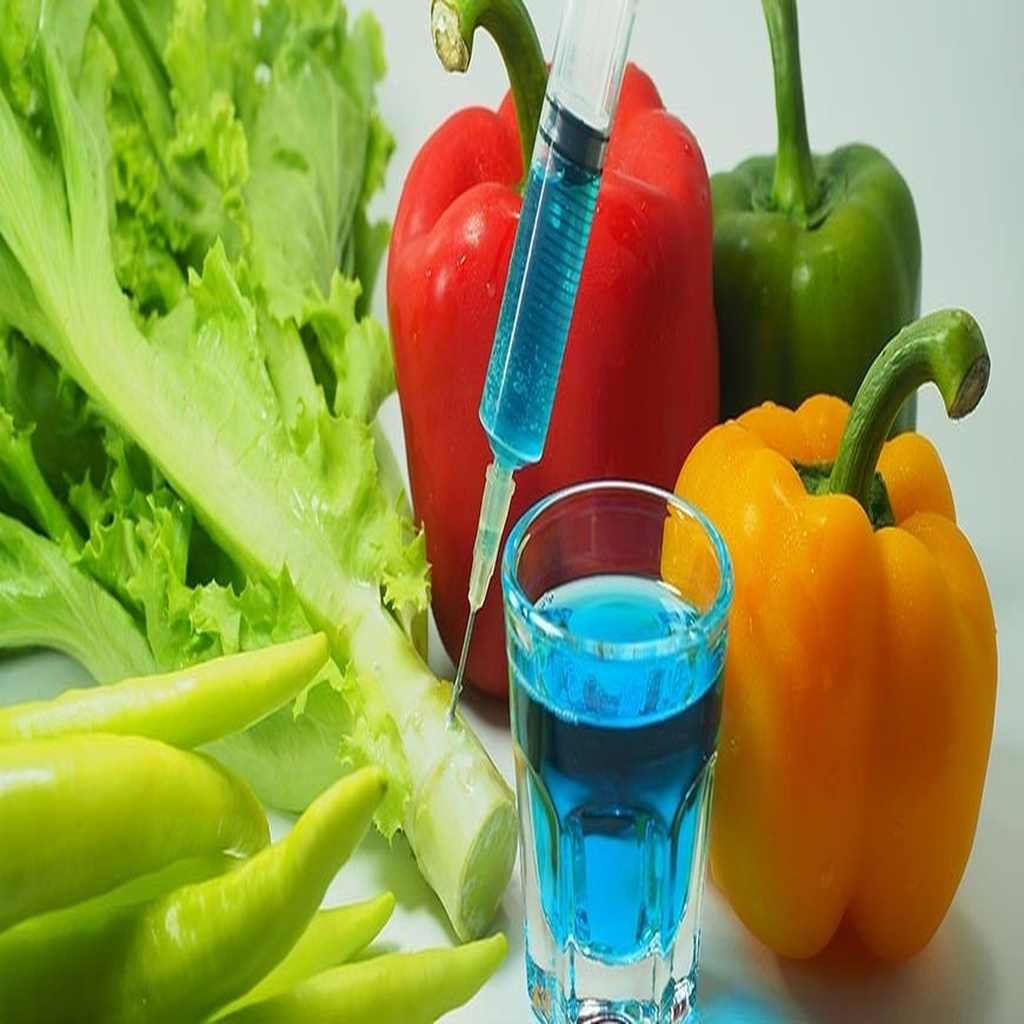
Vegetable adulteration involves the use of harmful chemicals and artificial dyes to make vegetables appear fresher and greener. Common adulterants include malachite green, copper sulfate, and oxytocin — substances that can cause serious health problems.
Sweet Adulteration
In sweet adulteration, vendors mix cheap or unsafe materials like synthetic colors, starch, or imitation silver foil (varakh) to improve appearance and increase profit. These additives can lead to allergic reactions, food poisoning, and long-term organ damage, especially during festive seasons when sweet consumption is high.